In today’s highly competitive beauty market, empty cosmetic packaging is no longer just a container — it is a key element of brand identity and user experience.
Among various surface finishing techniques, rubber coating (also known as rubber paint or soft-touch coating) has become increasingly popular in premium empty cosmetic packaging.
However, while rubber coating delivers an outstanding tactile experience, it also comes with clear limitations that brands must understand before application.
This article provides a comprehensive and practical overview of rubber coating in empty cosmetic packaging — including its benefits, challenges, and suitable use cases.
What is rubber coating in empty cosmetic packaging?
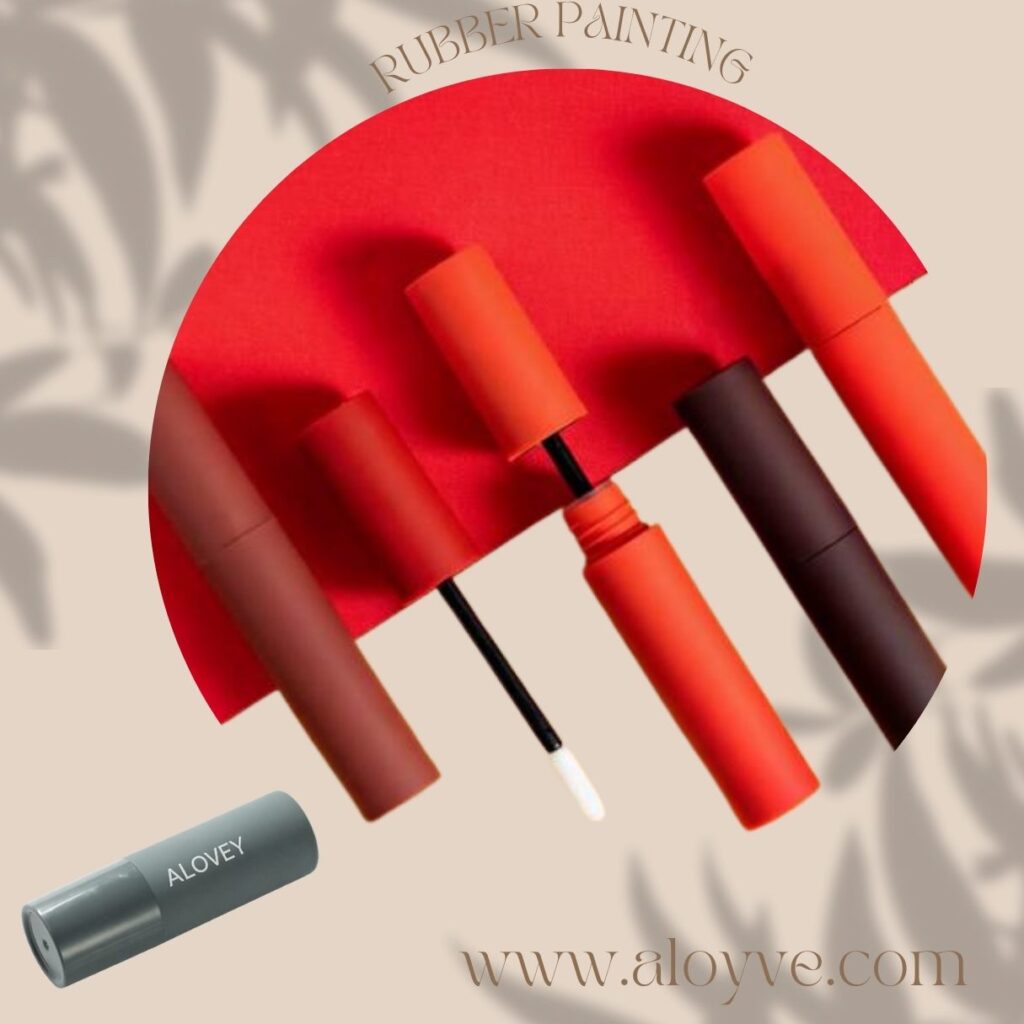
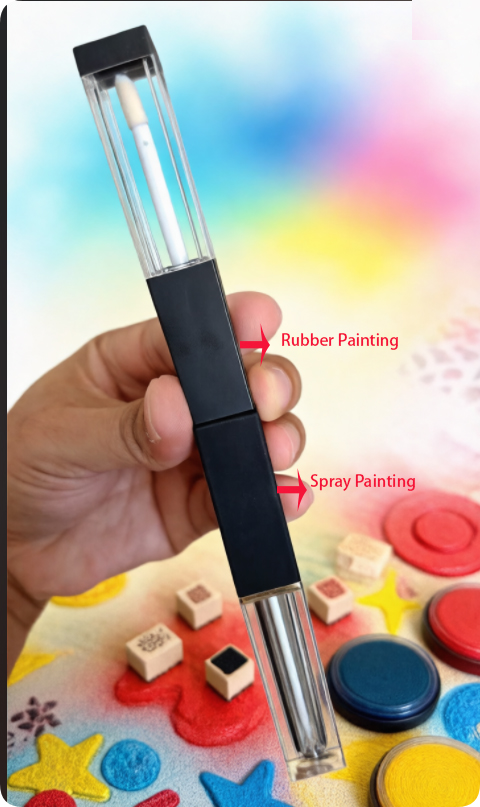
Rubber coating is a surface finishing process in which a soft-touch rubberized paint is applied to the exterior of empty cosmetic packaging through spraying and curing.
After curing, the surface forms a matte, velvety, and slightly elastic texture, often described as a soft-touch finish.
This technique is widely used for:
Lipstick tubes
Lip gloss and mascara packaging
Skincare bottles and jars
Custom or premium empty cosmetic packaging
Key Benefits of Rubber Coating
Premium Soft-Touch Experience
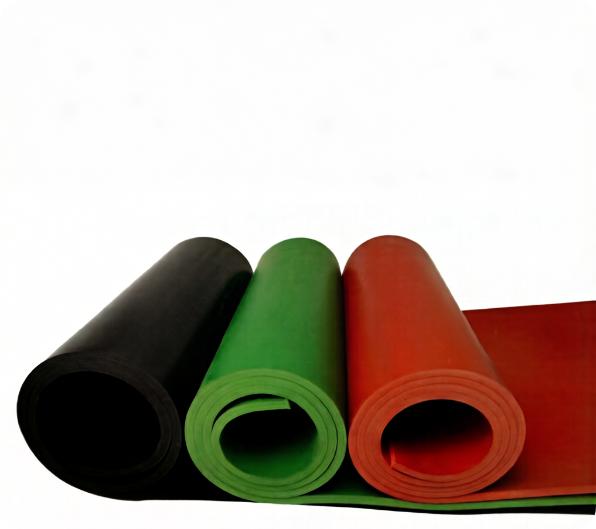
One of the most recognized advantages of rubber coating is its exceptional tactile feel.
Compared to standard spray painting, rubber coating provides a warmer, softer, and more comfortable hand feel, instantly enhancing perceived product value.
This sensory experience plays a crucial role in high-end cosmetics, where first touch strongly influences consumer perception.
Improved Grip and Usability
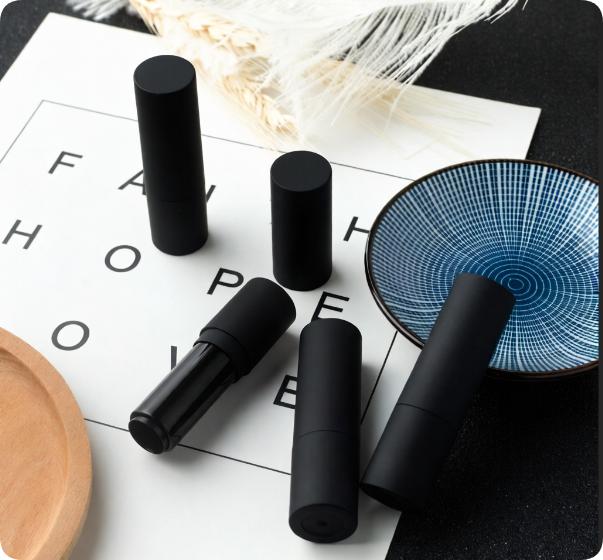
Rubber-coated surfaces offer higher friction than glossy or standard painted finishes, making packaging:
Less slippery
Easier to hold
More comfortable during daily use
This is particularly beneficial for handheld cosmetic products, such as lip products and serums.
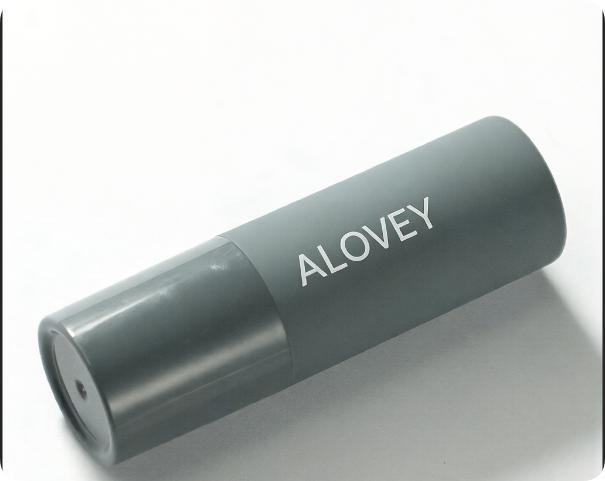
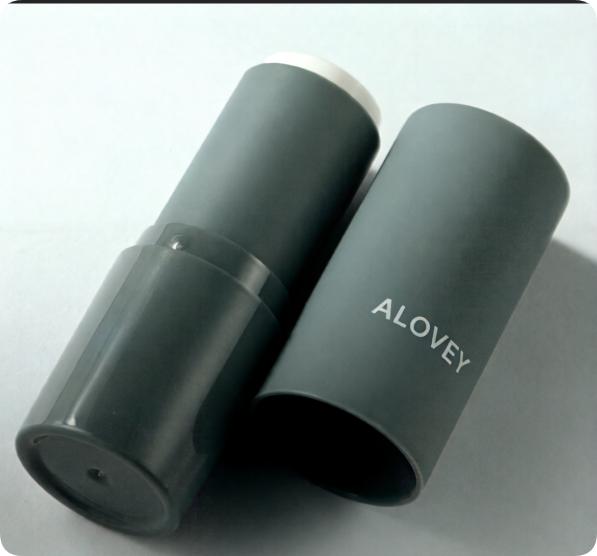
Elegant, High-End Visual Appearance
Rubber coating typically features a low-gloss or matte finish, which helps:
Reduce the plastic look
Mask minor molding marks
Create a clean, minimalist, and premium aesthetic
For many brands, rubber coating aligns perfectly with modern luxury and professional beauty positioning.
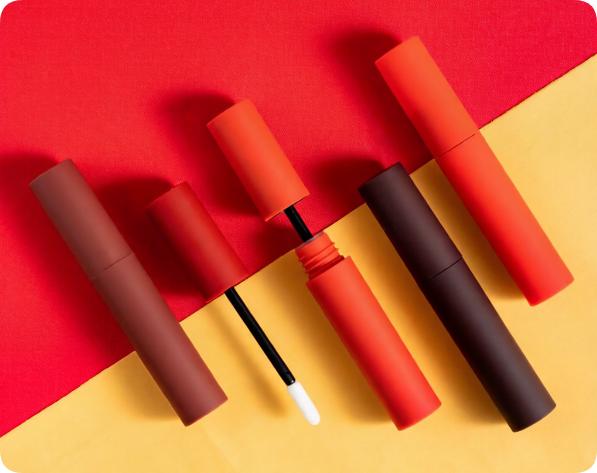
Enhanced Resistance to Fingerprints and Minor Wear
Compared with traditional spray paint, rubber coating is more resistant to:
Fingerprints
Light scratches
Surface wear during short-term use
This helps packaging maintain a refined appearance throughout its intended lifecycle.
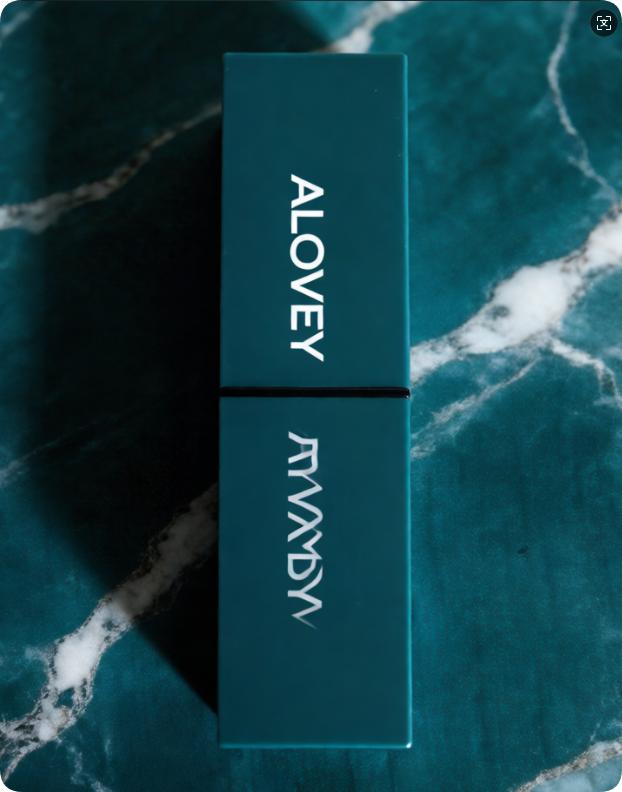
Limitations and Challenges of Rubber Coating
Despite its advantages, rubber coating is not a universal solution. Understanding its limitations is essential for proper application.
Not Suitable for High-Temperature Countries or Environments
Rubber coating is highly sensitive to heat.
In prolonged high-temperature conditions — especially environments exceeding approximately 35°C (95°F) — rubber-coated surfaces may experience:
Softening or tackiness
Sticky or rubbery feel
Surface deformation or melting-like appearance
These issues are more likely to occur during:
Long-distance shipping in hot containers
Warehousing without temperature control
Distribution in consistently hot or tropical countries
For this reason, rubber coating is not recommended for long-term sales in high-temperature markets.
Limited Shelf Life — Approximately 6 Months
Unlike standard spray paint, rubber coating has a defined effective lifespan.
Under normal storage conditions (moderate temperature and humidity), the optimal appearance and tactile quality of rubber coating typically lasts for around 6 months.
Beyond this period, gradual changes may occur, such as:
Loss of soft-touch feel
Increased surface tackiness
Reduced visual consistency
Therefore, rubber coating is best suited for:
Fast-moving products
Seasonal launches
Limited editions
Short inventory cycles
Higher Cost and Strict Process Control
Rubber coating generally involves:
Higher material cost
Longer production time
More demanding process control
For rubber-coated cosmetic packaging, the logo application is completed before the rubber coating process, allowing the final finish to protect and enhance the overall appearance.
Uniform spraying, proper curing, and strong adhesion are critical. Any deviation may result in uneven texture or long-term quality issues.
This makes rubber coating more suitable for experienced manufacturers with stable production systems.
Environmental and Recycling Considerations
From a sustainability perspective, rubber coating is a multi-layer surface treatment, which may:
Complicate recycling processes
Reduce material separability
Brands with strong environmental or mono-material packaging strategies should carefully evaluate its application.
Rubber Coating vs. Standard Spray Painting
| Aspect | Rubber Coating | Standard Spray Paint |
| Tactile Feel | Soft, velvety | Smooth |
| Premium Perception | Very high | Moderate |
| Heat Resistance | Low | Better |
| Effective Lifespan | ~6 months | Longer |
| Market Compatibility | Limited | Broad |
| Cost Level | Higher | Lower |
Conclusion: A High-End Finish That Requires the Right Application
Rubber coating is a powerful surface finishing option when used correctly.
It is ideal for:
Premium cosmetic and skincare products
Brands focusing on tactile experience
Stable-temperature markets
Short lifecycle or limited-edition projects
However, it is not recommended for:
High-temperature countries
Long-term storage or slow-moving inventory
Applications requiring high heat resistance
At ALOVEY, we believe that professional empty cosmetic packaging is not about choosing the most expensive finish — but about selecting the most suitable solution for your product, market, and brand strategy.
If you are considering rubber coating for your next packaging project, our team is ready to help you evaluate its feasibility and find the best balance between design, performance, and long-term stability.
Learn about rubber coating in empty cosmetic packaging, including benefits, limitations, heat sensitivity, 6-month lifespan, and when it’s the right choice for beauty brands.



 French
  English
  Russian
  Spanish
  Italian
  Arabic
  Portuguese
  German