
In the empty cosmetic containers industry, material selection is one of the most critical decisions influencing product safety, durability, cost, branding, and sustainability.
Among various plastic materials, PP (Polypropylene) remains one of the most widely used options for empty cosmetic containers.
From cream jars,foundation stick tube and lotion bottles to lip balm tubes and inner refill systems, PP plays an essential role in modern packaging solutions. However, while PP offers many functional advantages, it also has certain surface treatment limitations that brands must carefully consider.
This article explores both the strengths and the constraints of PP material in cosmetic packaging.
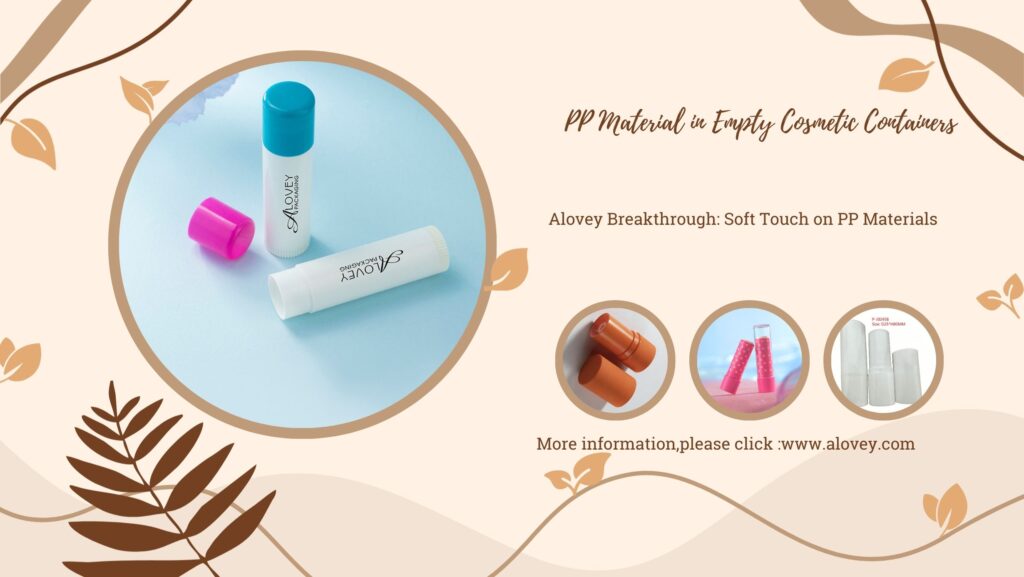
What Is PP (Polypropylene)?
Polypropylene (PP) is a thermoplastic polymer known for its lightweight structure, chemical resistance, and excellent molding performance. It is commonly used in industries such as food packaging, medical devices, and personal care packaging due to its safety profile and stability.
In empty cosmetic containers, PP is typically used for:
Cream jars
Lotion bottles
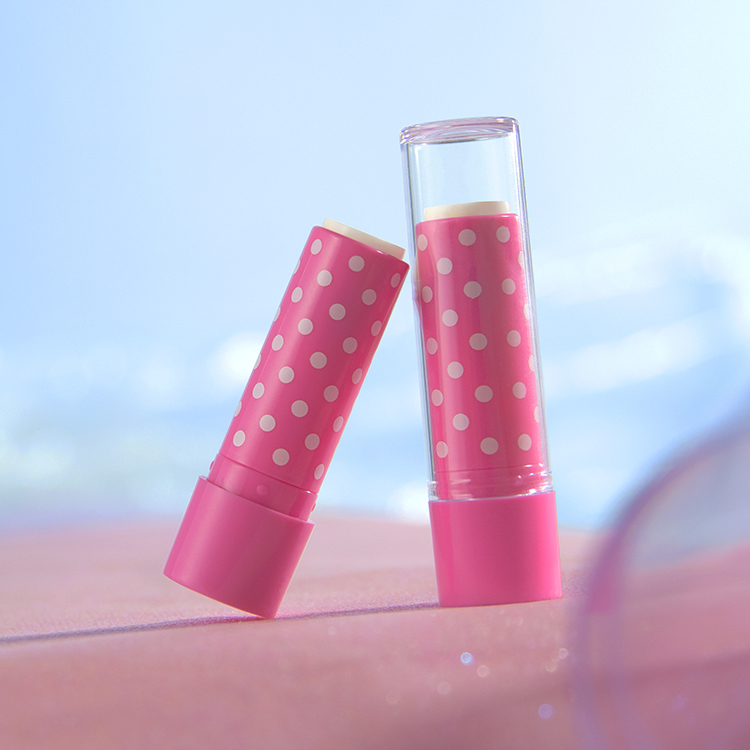
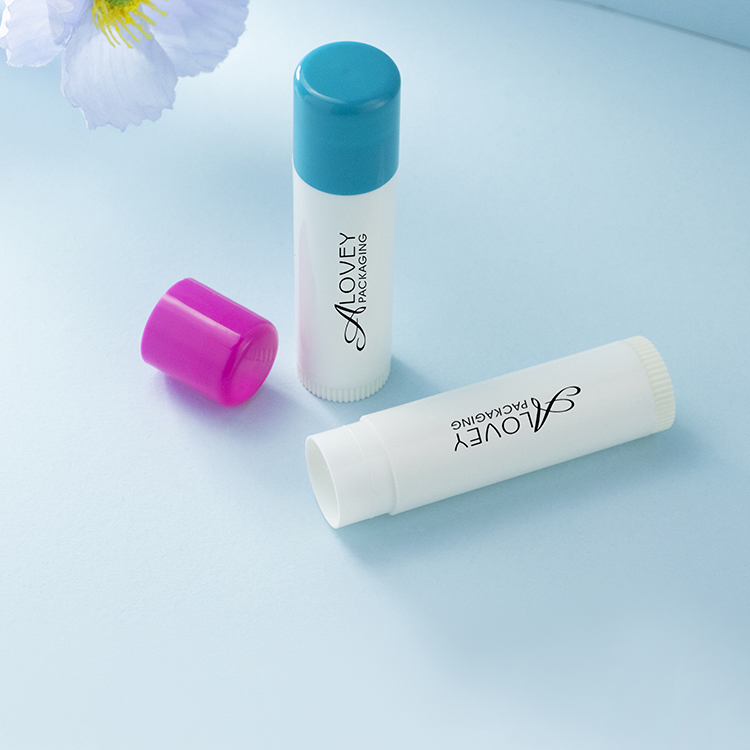
Lip balm tubes
Caps and closures
Inner cups and refillable systems
Travel-size skincare containers
Key Advantages of PP in Empty Cosmetic Containers
Excellent Chemical Resistance
Cosmetic formulations often contain oils, alcohols, active ingredients, and emulsifiers. PP offers strong resistance to:
Oil-based formulas
Mild acids and alkalis
Most skincare emulsions
This helps prevent cracking, stress whitening, and chemical reactions between the formula and the container. As a result, product stability and shelf life are better maintained.
Safe and Non-Toxic Material
PP is widely recognized as a safe plastic material when produced under proper standards. It is:
Odorless
Non-toxic
Low in chemical migration risk
Suitable for skin-contact products
This makes PP particularly suitable for sensitive skincare packaging and daily personal care products.
Lightweight but Durable
One of PP’s biggest advantages is its strength-to-weight ratio. Compared to glass or acrylic:
It is significantly lighter
It reduces shipping costs
It improves drop resistance
It minimizes breakage during transportation
For e-commerce brands and global distribution, this becomes a major advantage.
Good Heat Resistance
PP has higher heat resistance than many common plastics like PET.
This allows it to:
Withstand moderate hot-filling processes
Maintain structural stability under temperature fluctuations
Perform well in sterilization or cleaning procedures
This is particularly useful for creams, masks, and semi-hot filled skincare products.
Cost-Effective for Mass Production
From a manufacturing perspective, PP is highly efficient:
Low raw material cost
Excellent injection molding performance
Fast production cycles
Stable large-scale output
For brands seeking functional and budget-friendly packaging, PP is often the preferred choice.
Recyclability and Sustainability
PP is classified under Resin Identification Code #5 and is recyclable in many markets worldwide.
Sustainability advantages include:
Compatibility with mono-material packaging designs
Ability to incorporate PCR (Post-Consumer Recycled) content
Lower environmental impact compared to multi-layer materials
As sustainability becomes increasingly important, PP remains a practical option for eco-conscious packaging strategies.
The Important Limitation: PP Is Not Ideal for High-End Surface Treatments
While PP performs exceptionally well structurally and functionally, it has a critical limitation that brands must understand:PP is not naturally suitable for advanced surface treatments.
The Reason why PP materials is not suitable for Surfacetreatment
PP has low surface energy, which means coatings and decorative layers do not easily adhere to its surface. Without special pre-treatment, adhesion is often weak.
Surface Treatments That May Face Issues on PP:
Vacuum metallization
UV coating
Spray painting (including some matte finishes)
Rubber coating
High-gloss luxury finishes
Potential Problems:
Peeling or flaking over time
Poor adhesion
Easy scratching
Inconsistent premium appearance
Increased production complexity
Although treatments like flame treatment or plasma treatment can improve adhesion, the results are still generally less stable compared to materials like PETG, ABS, or AS.
When Should You Choose PP?
PP is an excellent choice when:
Functionality is more important than decorative luxury
The packaging requires durability and chemical resistance
Cost control is a priority
Sustainability and recyclability are important
The cosmetic product is mass-market skincare or daily-use cosmetics
It is less suitable when:
The brand requires metallic mirror effects
High-end UV glossy finishes are essential
A heavy, luxury feel is required
Complex decorative coatings are a key branding element
PP vs Premium Plastics: Strategic Material Selection
If your brand positioning focuses on:
Affordable skincare
Functional cosmetic packaging
Refillable systems
Eco-friendly concepts
PP is a smart and reliable material choice.
However, if your brand targets:
Luxury cosmetic lines
High-end metallized finishes
Thick-wall transparent designs
Complex decorative processes
Materials such as PETG, ABS, or AS may be more suitable.
Choosing the right material is not about which one is “better” — it’s about which one aligns with your product positioning and decoration requirements.
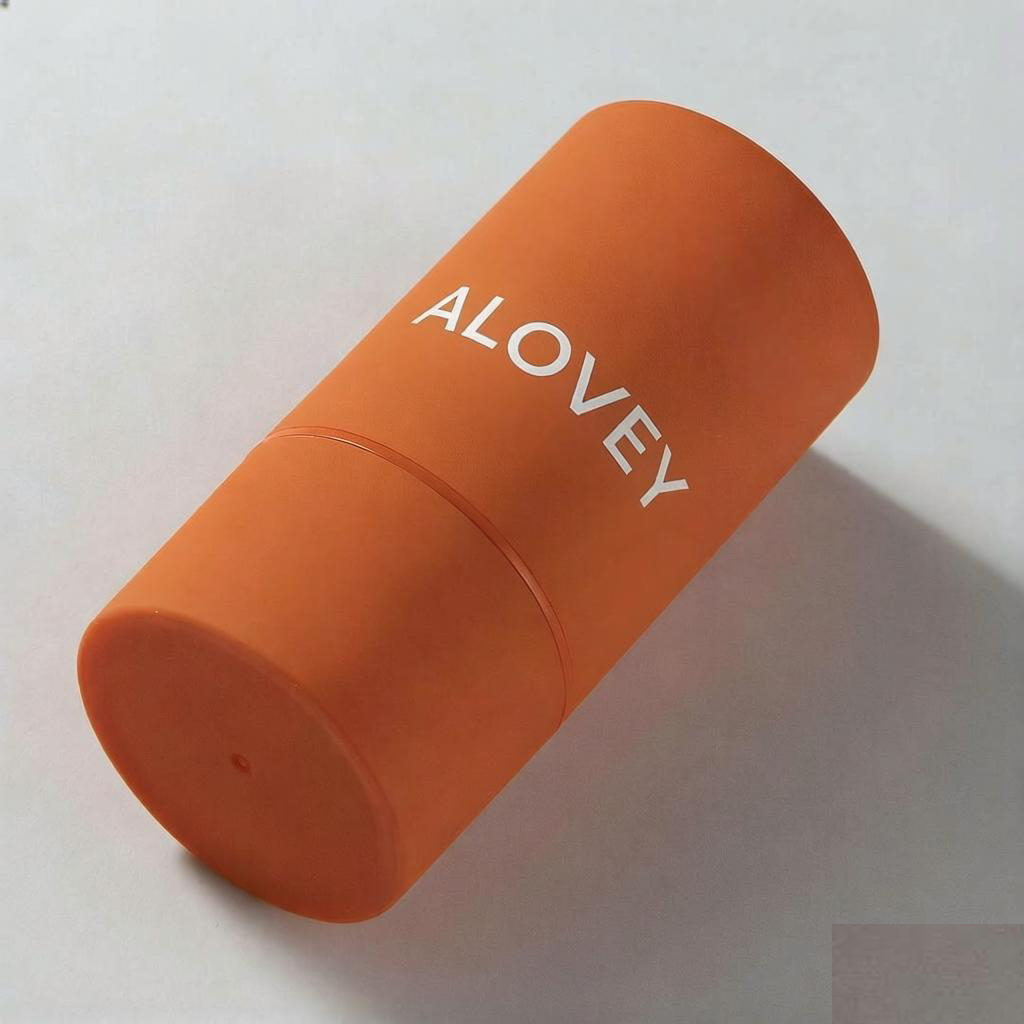
Alovey Breakthrough: Soft Touch on PP Materials
Traditionally, PP (polypropylene) has been considered difficult for premium surface treatments due to its low surface energy. However, Alovey has achieved a technical breakthrough by successfully applying a stable soft-touch finish on PP cosmetic packaging.
What Makes This Important?
This innovation helps bridge the gap between PP’s functional advantages and premium tactile experience, allowing brands to enjoy both performance and aesthetics.
Key benefits of Alovey’s soft-touch PP solution
Improved coating adhesion on PP
Smooth, skin-like tactile feel
Enhanced premium appearance
Maintains PP’s chemical resistance
More cost-effective than ABS alternatives
Supports lightweight and durable packaging
FAQ Section
Is PP safe for cosmetic packaging?
Yes. PP (Polypropylene) is considered safe, non-toxic, and suitable for skin-contact cosmetic products when produced according to industry standards.
Why is PP not suitable for metallization?
PP has low surface energy, making it difficult for metallic coatings to adhere properly. This can result in peeling or poor durability.
Is PP recyclable?
Yes. PP is recyclable under Resin Identification Code #5 and is widely accepted in many recycling systems.
What is the difference between PP and PETG in cosmetic packaging?
PP is more chemical-resistant and cost-effective, while PETG offers better transparency and stronger compatibility with premium surface treatments.
In cosmetic packaging development, material selection should always balance functionality, aesthetics, sustainability, and brand positioning.
Conclusion
Polypropylene (PP) continues to be one of the most important materials in empty cosmetic container manufacturing due to its:
Chemical stability
Safety
Durability
Cost efficiency
Recyclability
However, its low surface energy makes it unsuitable for certain premium surface treatments, including metallization, UV coating, and some spray finishes. Understanding both its strengths and limitations allows brands to make smarter packaging decisions



 German
  English
  Russian
  Spanish
  Italian
  Arabic
  Portuguese
  French